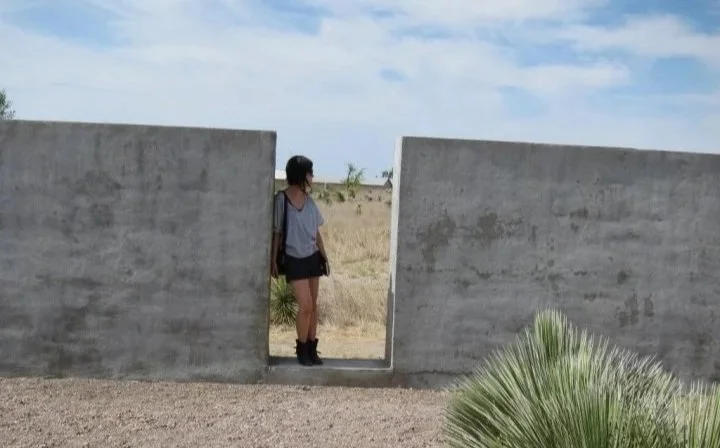
mathematician + artist
I am a math professor who mostly thinks about art.
current projects
new book in late 2027: Immersions: the hidden geometry of art and visual culture
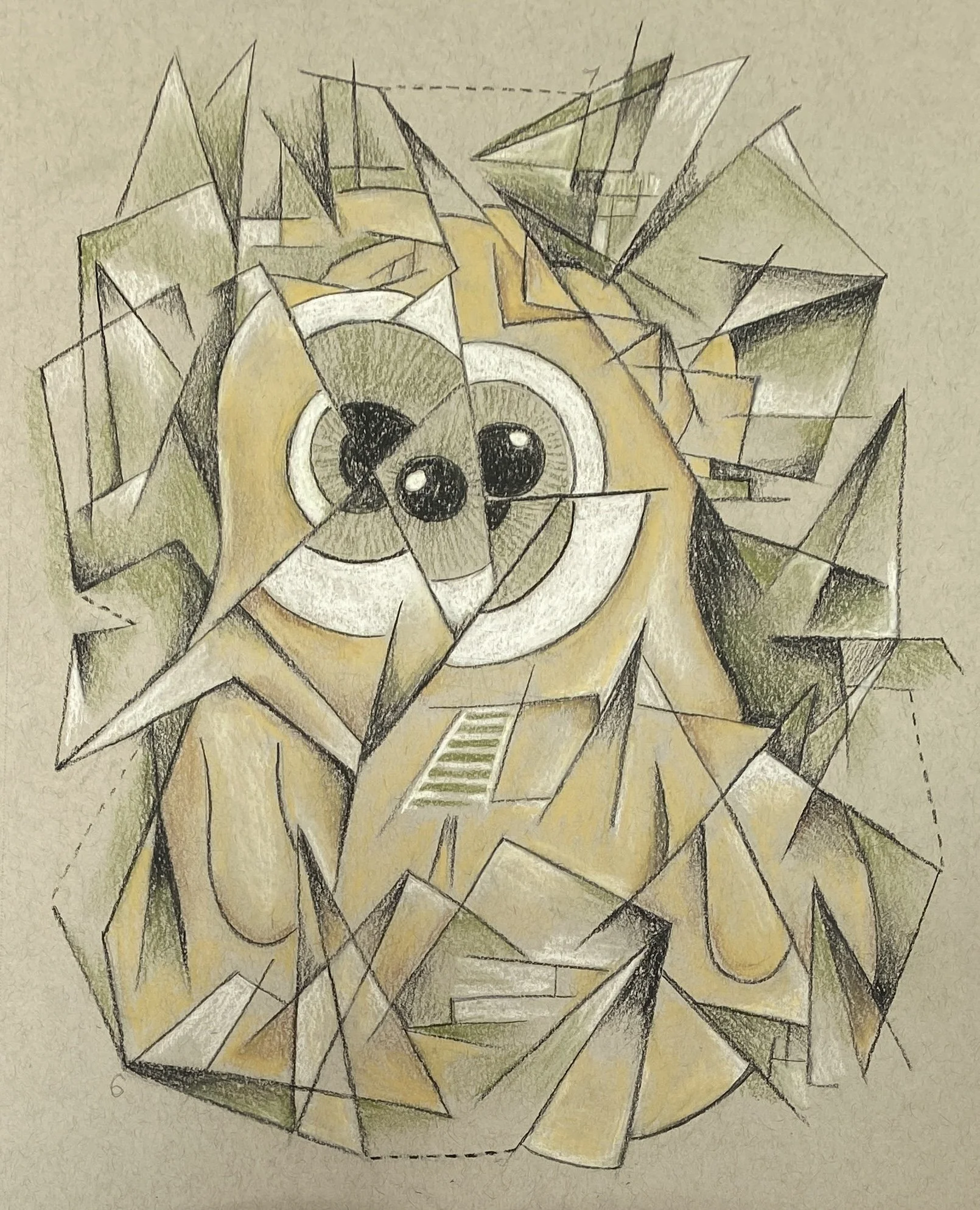
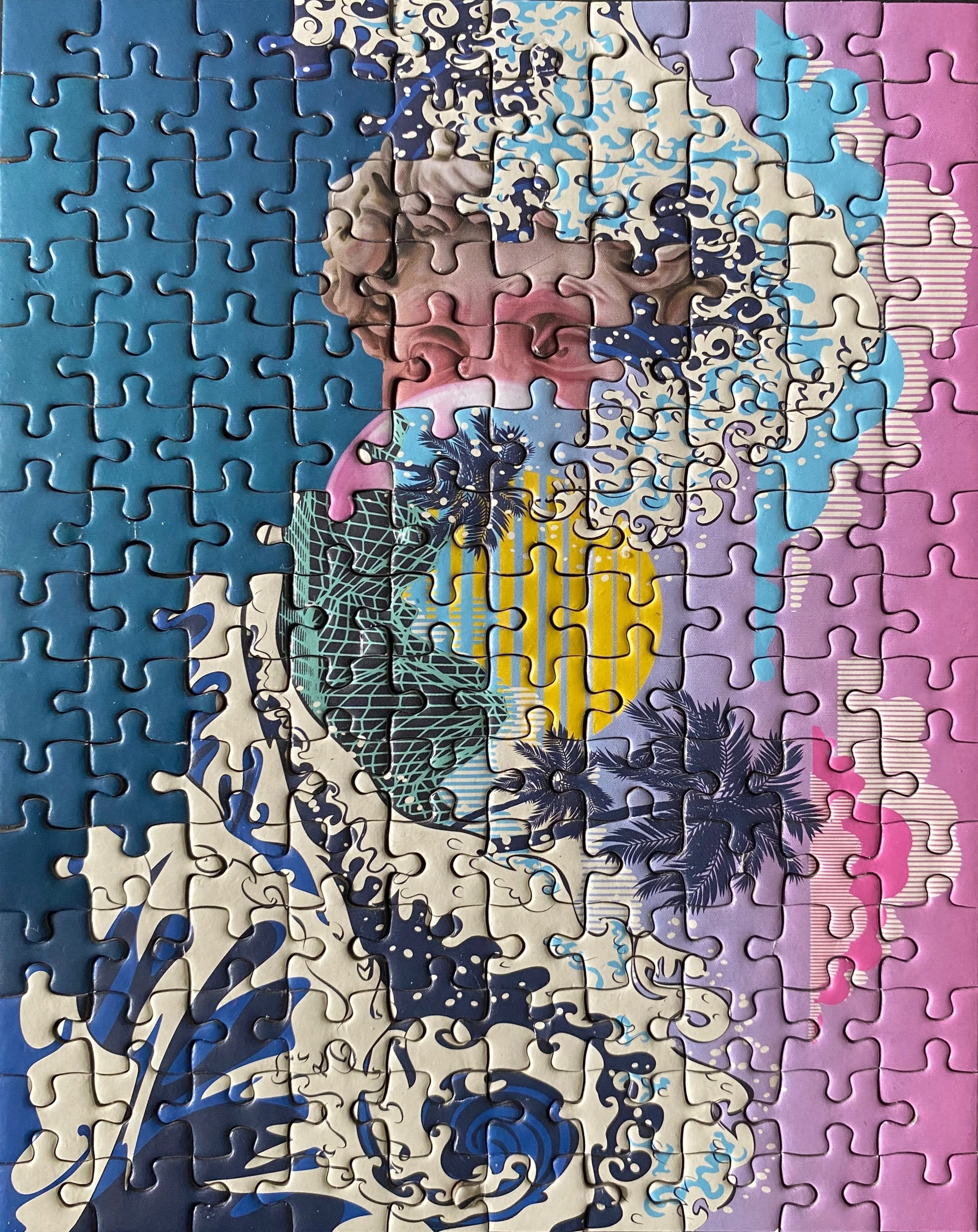
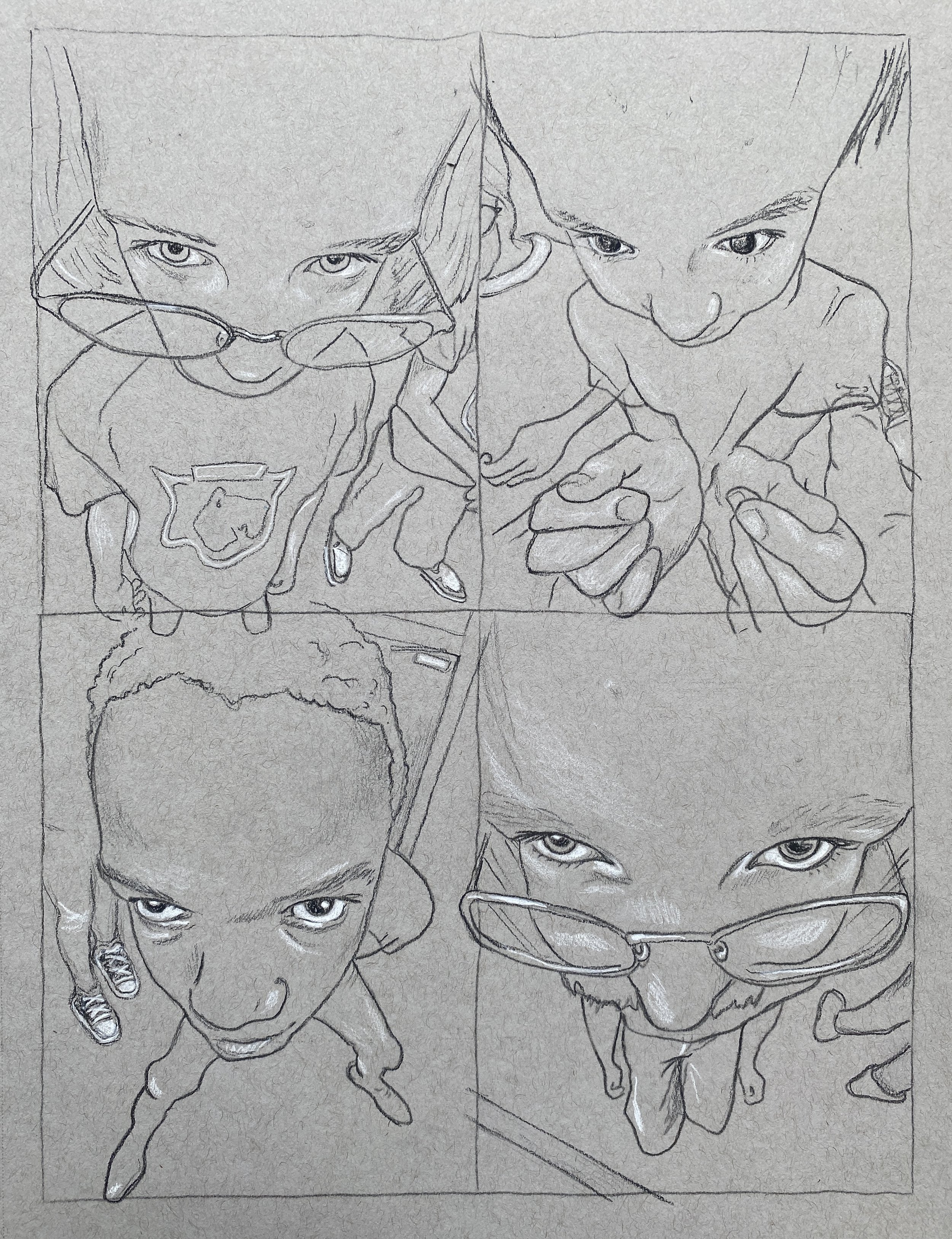
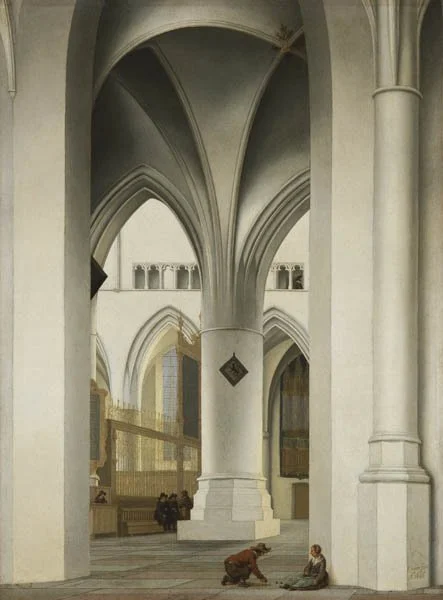
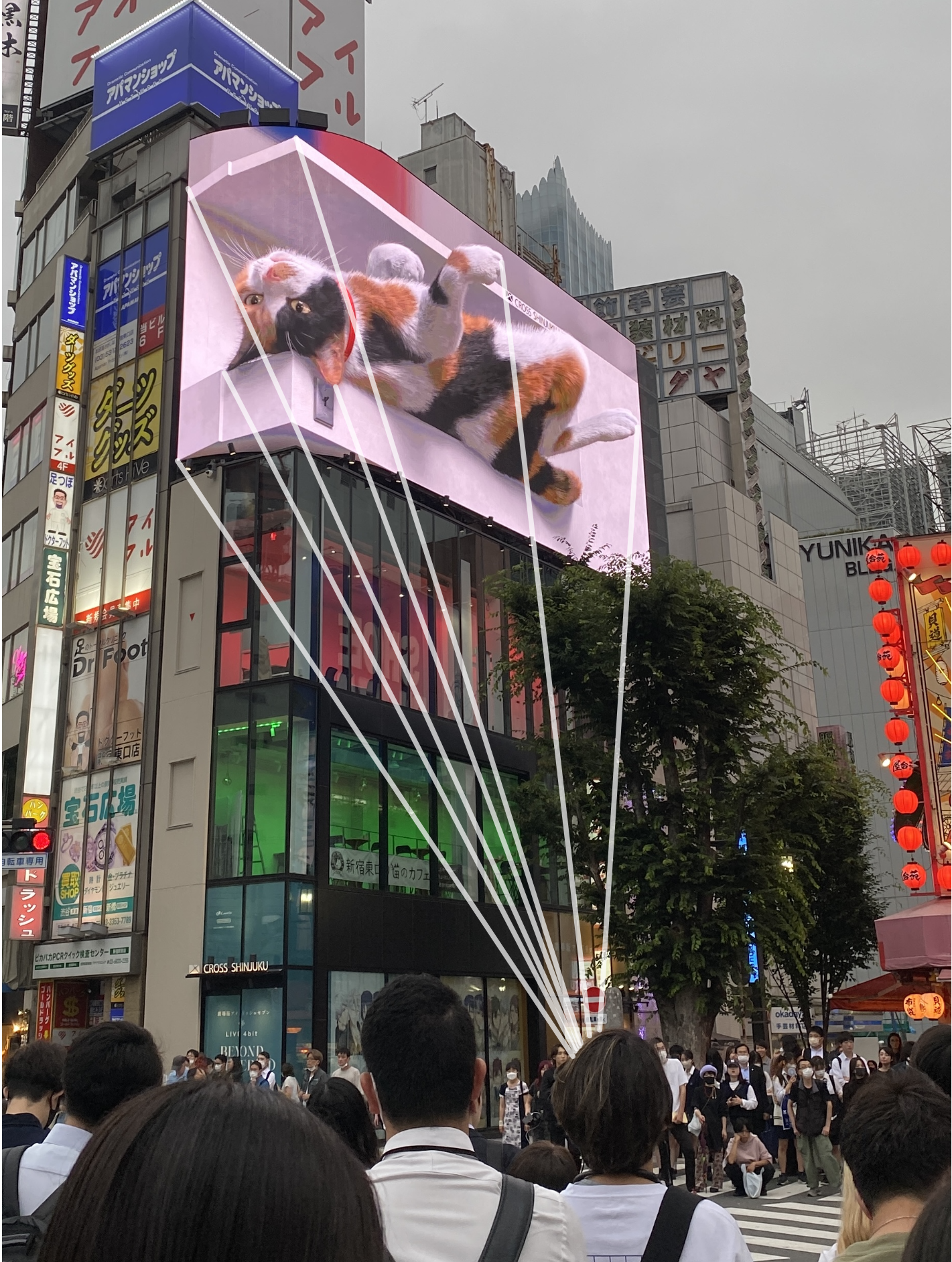
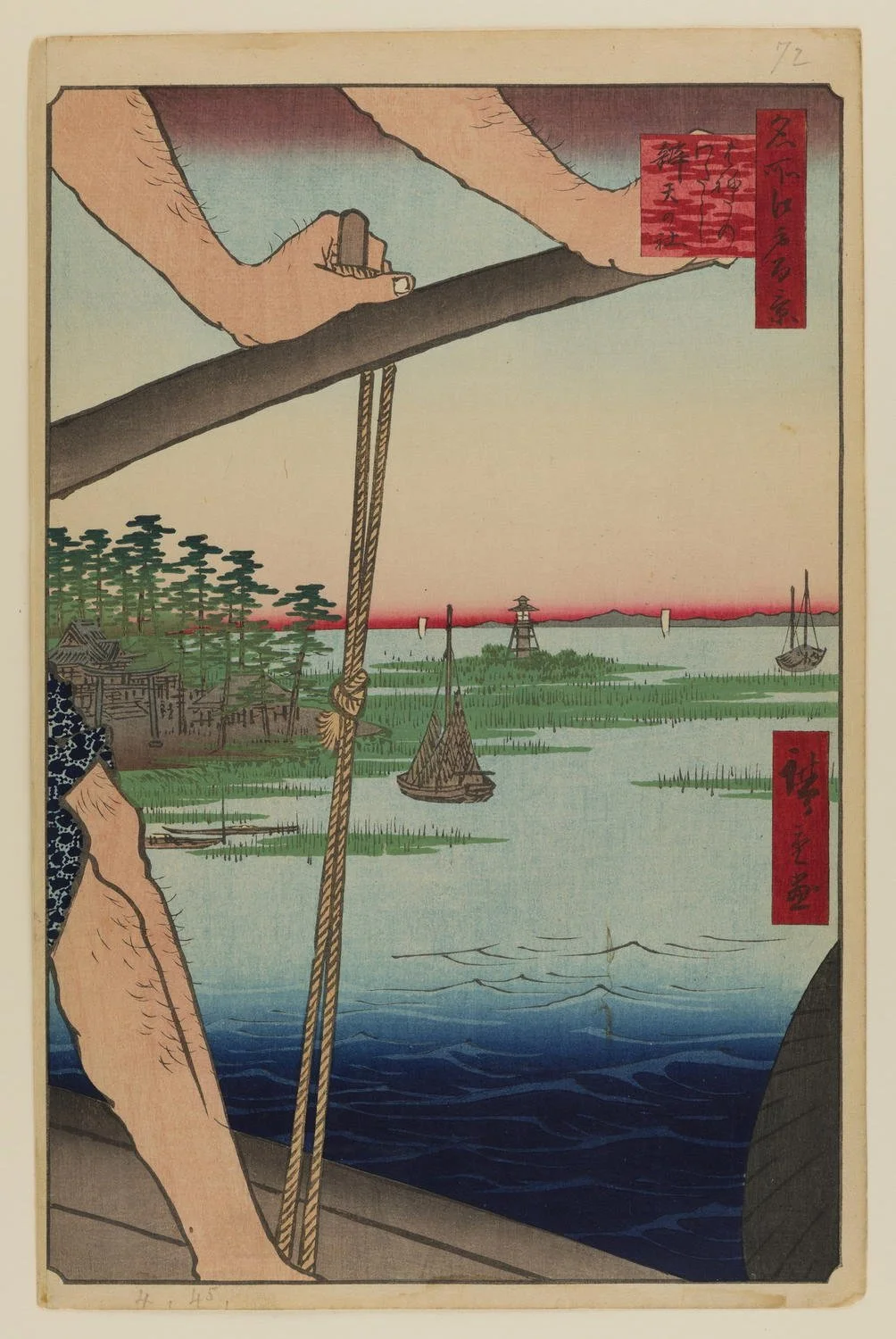
We are surrounded by more images than ever before. From social media posts and films to seventeenth-century Dutch paintings and Japanese woodblock prints, images are designed to guide how we see, feel, and understand. Yet we often absorb their messages unconsciously, or miss them entirely, because we’re not aware of how to look.
Immersions reveals the hidden messages encoded in images using an unexpected tool, geometry. By learning how to read and interpret the radically different ways in which an artist has chosen to depict visual space, you can expose the hidden architecture of visual manipulation, solve mysteries in art history, uncover a backstory beneath the surface, and transport yourself to another world. From camera angles to viewpoints, the choices are never neutral: they are deeply influenced by personal and cultural values and designed to shape how the viewer interacts with the constructed reality.
Written in an engaging way with the author’s own illustrations, Immersions is an accessible foray into geometry and art from a fresh perspective. Through an eclectic set of examples, the mathematics professor and artist Fumiko Futamura shows you how to engage with images the way they were intended, and then going deeper, into the mechanics and philosophies of visual culture. No prior math knowledge required, only curiosity and the willingness to look closer.
math playground
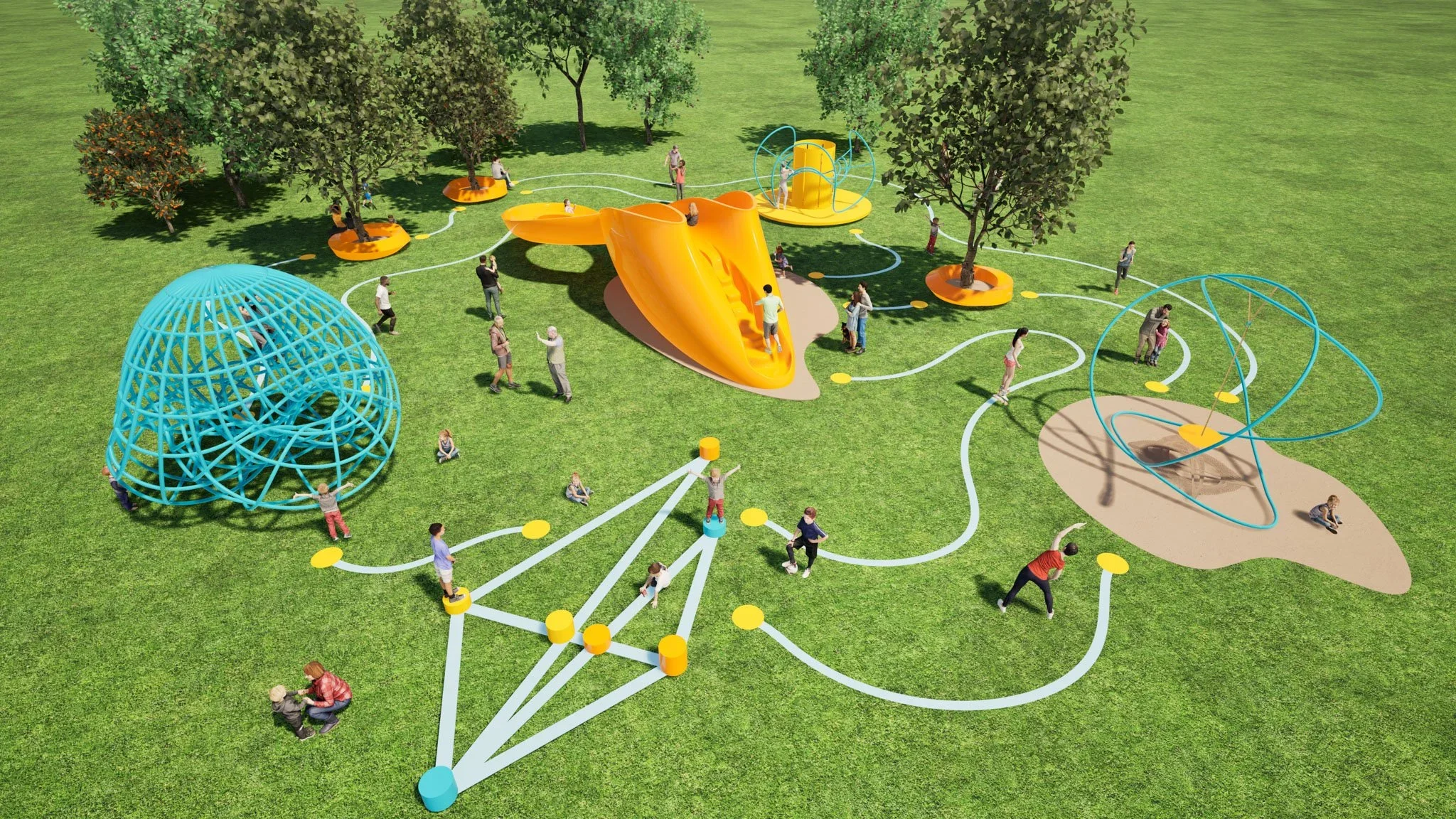
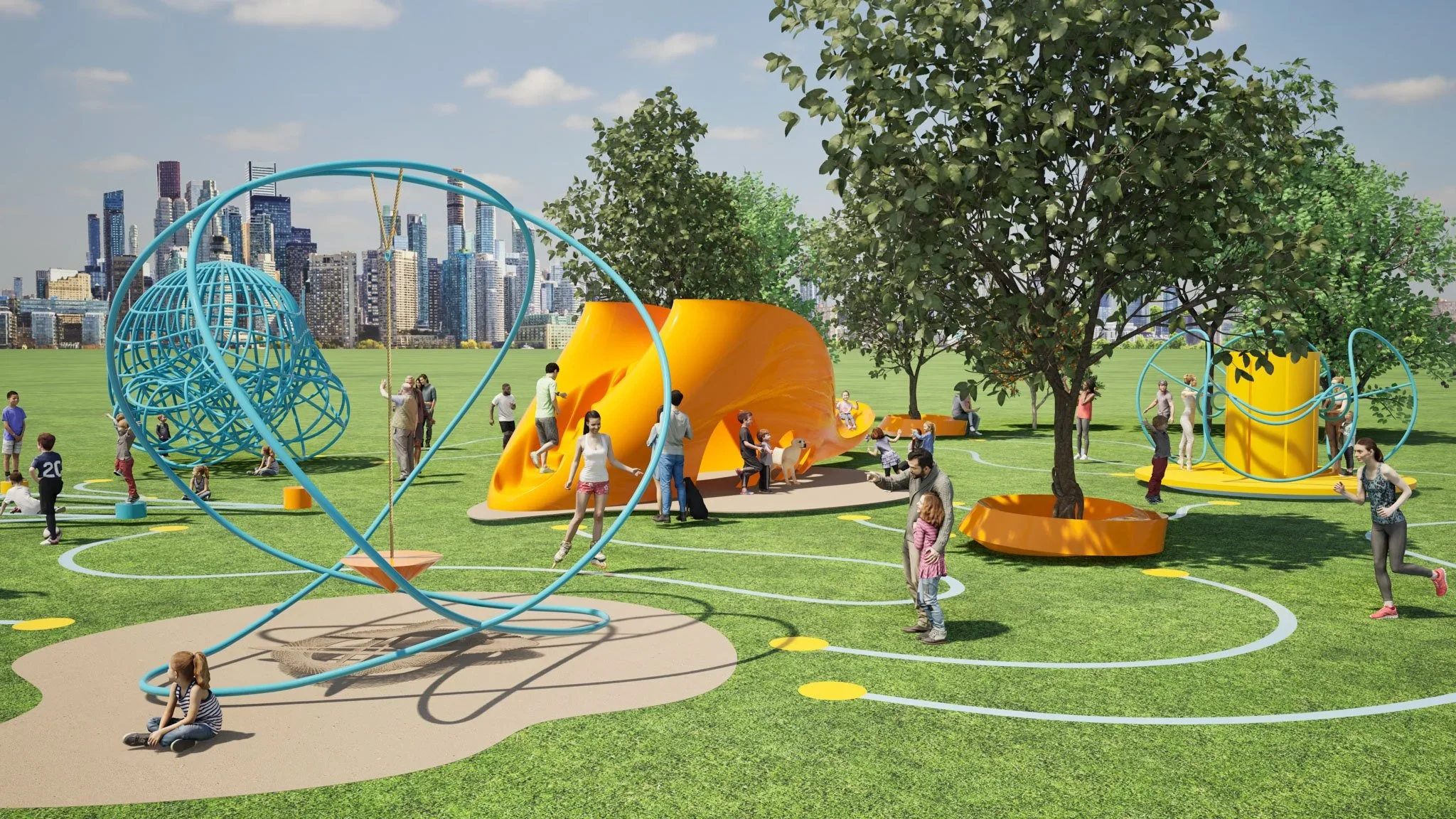
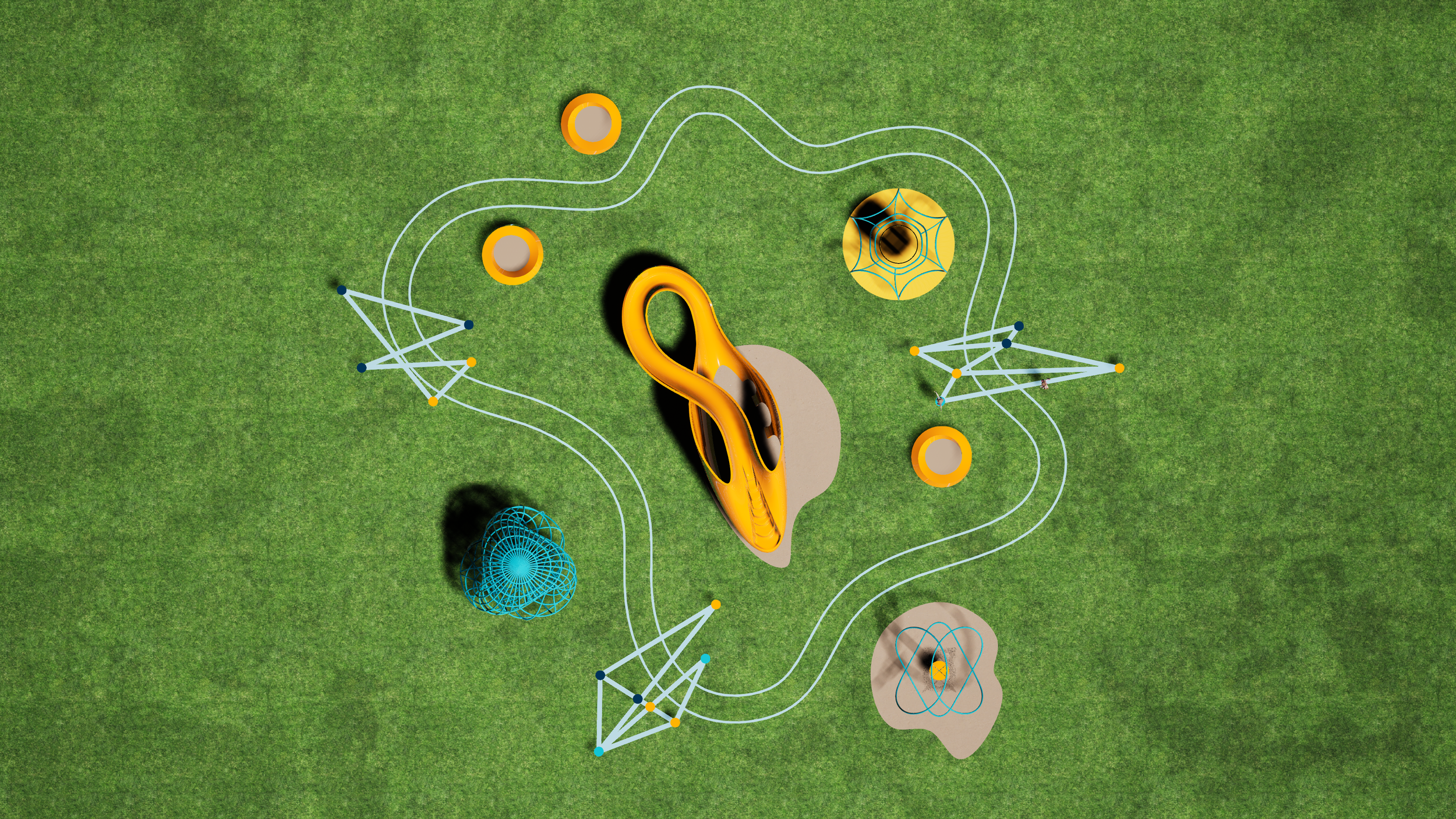
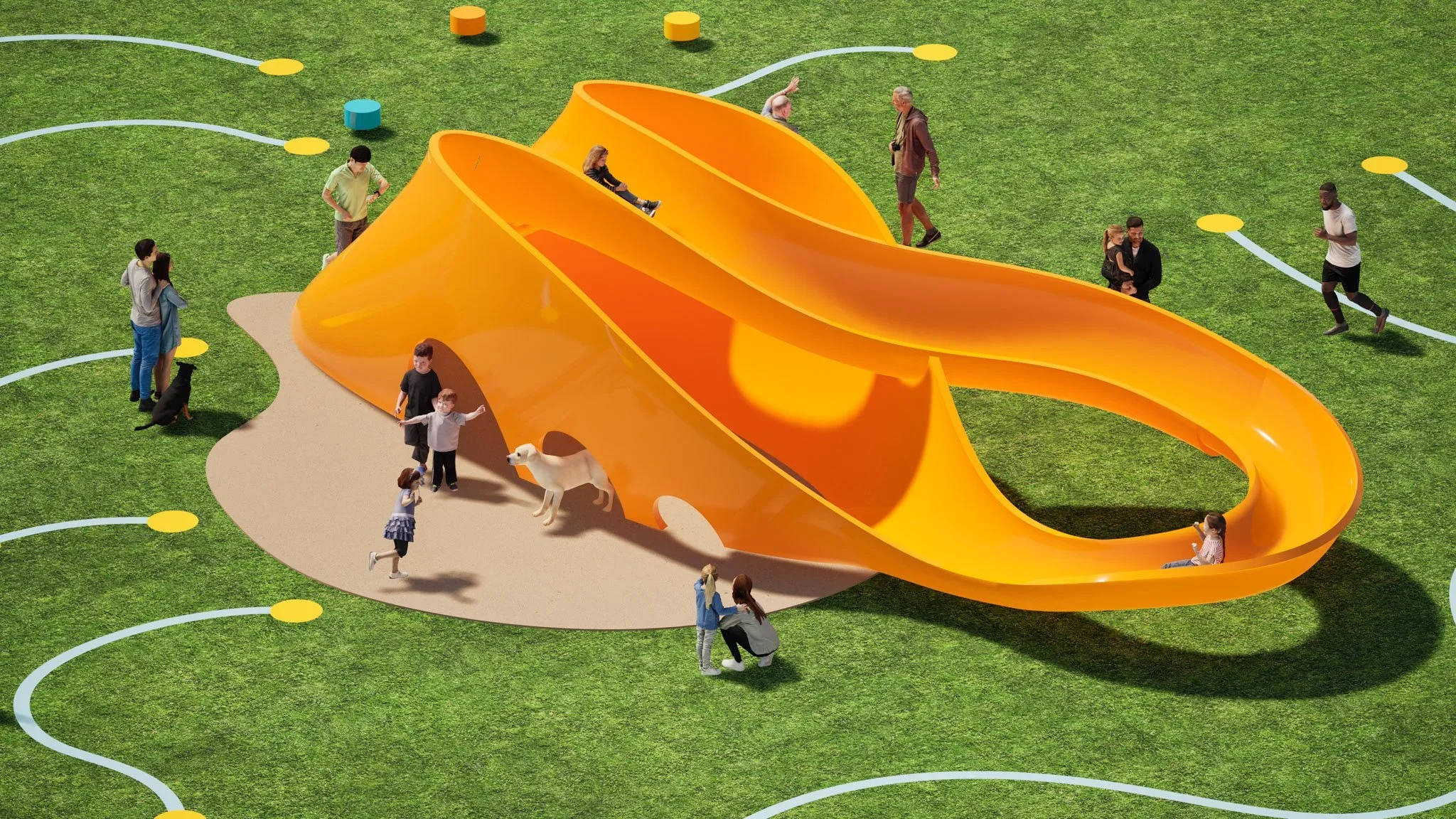
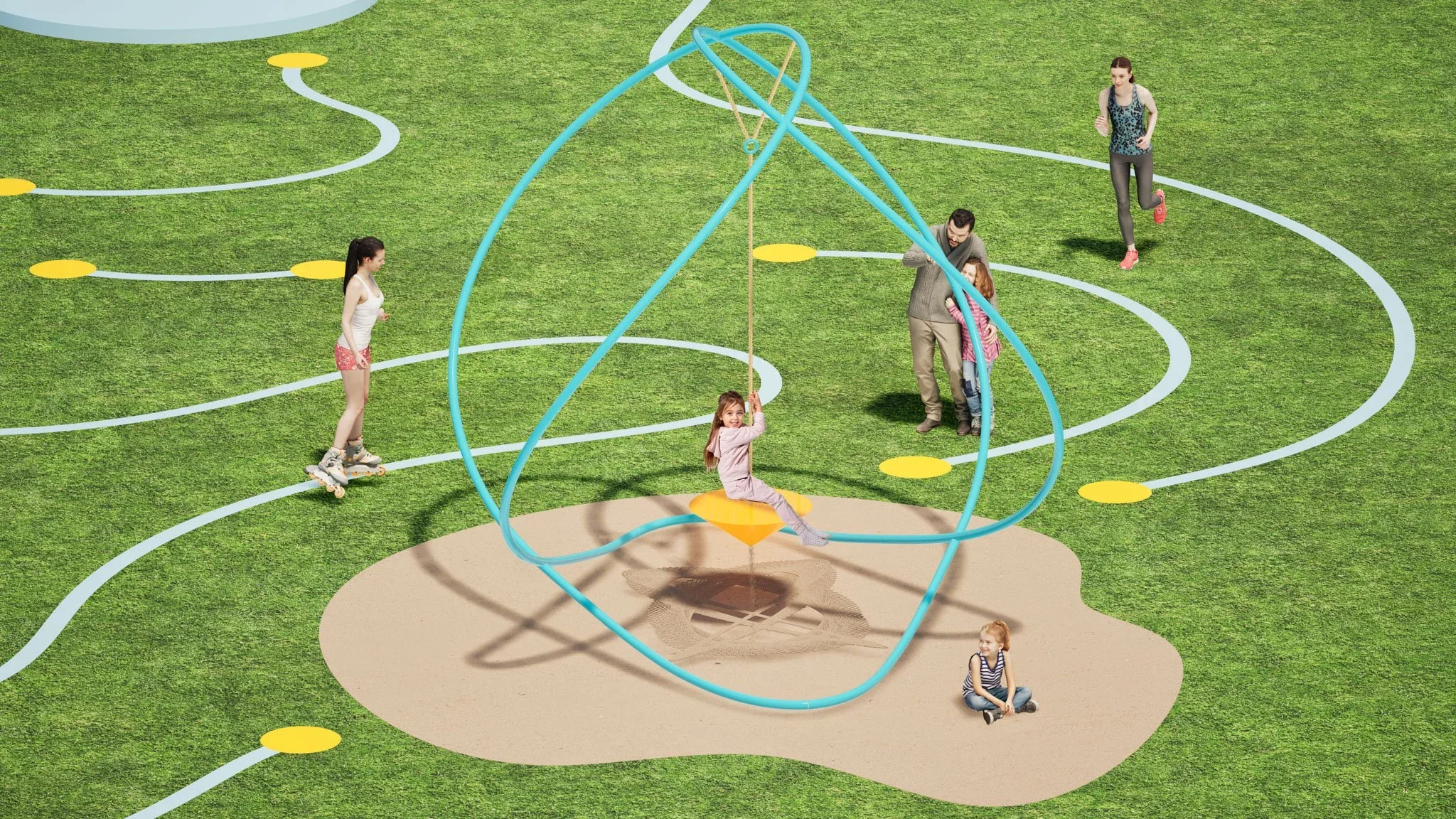
Together with artist Jiabao Li and executive and artistic director Ron Berry of Fusebox Austin, we are collaborating to build a math playground, supported by a generous grant through the Simons Foundation Triangle Program. This idea came about after a period of exploration and brainstorming of a variety of different ideas, including 4D Baby which Jiabao debuted at the Fusebox Festival, supported by the Simons Foundation Open Interval Program. Math Playground: Play with Math is an interactive, outdoor installation designed to transform abstract mathematical models and math thinking into engaging, larger-than-human playground equipment. Form follows function. The structure and the way people interact with it reveal the underlying math.

mathematical art manifesto
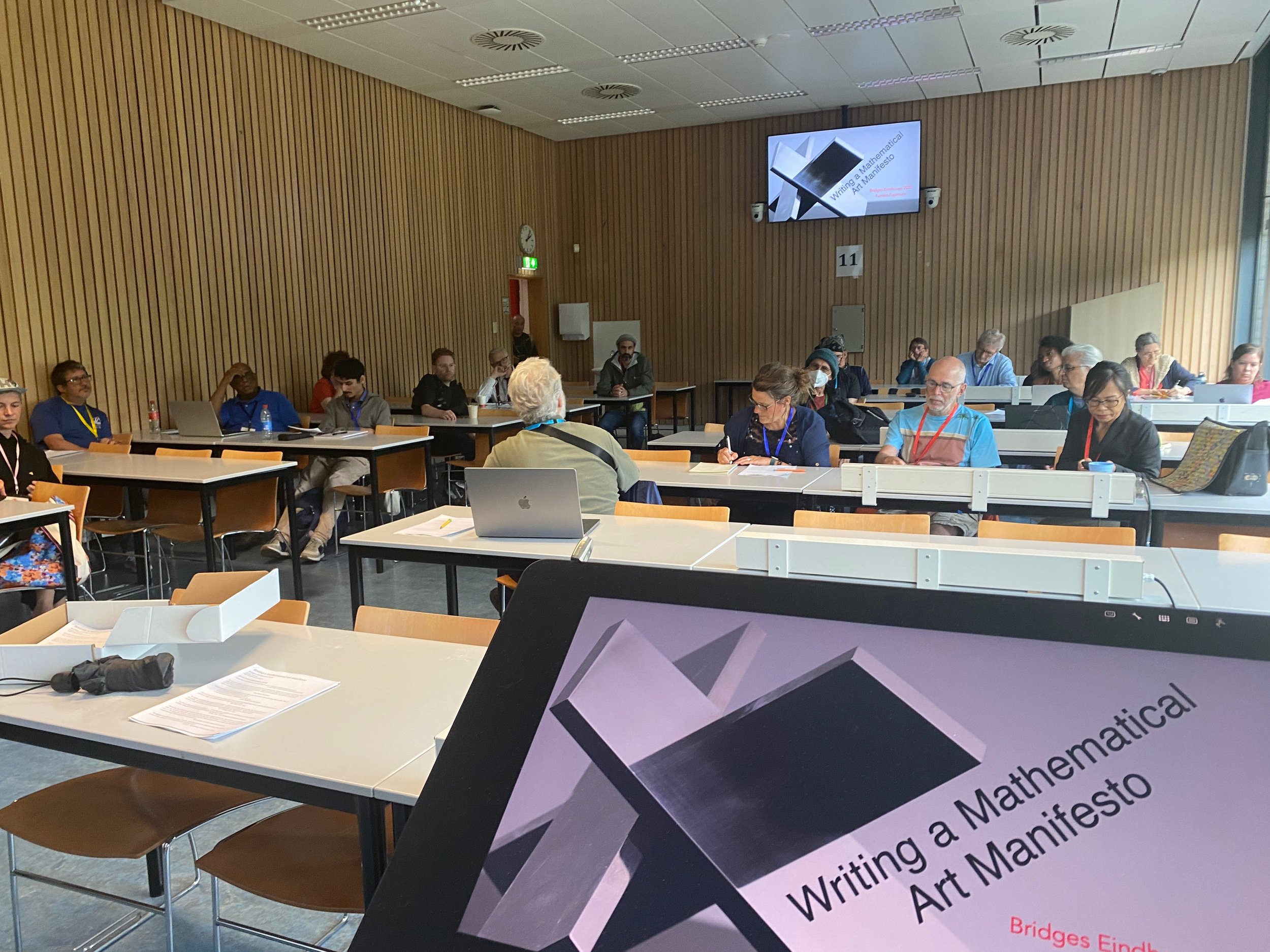
I am currently organizing a group to write a mathematical art manifesto. It grew out of the workshop, Writing a Mathematical Art Manifesto, at Bridges Eindhoven, Netherlands in 2025. An eclectic group interested in math, art, dance, poetry, theatre, music, education and philosophy from North America and Europe gather once a month to discuss issues surrounding mathematical art as contemporary art. If you’re interested in joining us, please send me an email.
Workshop: Developing a Mathematical Art Manifesto (also read the dialogue in the Supplemental file), Bridges in Galway, Ireland, 2026 with Adam Rowe
Talk: Update from the Mathematical Art Manifesto group at JMM 2027
other projects
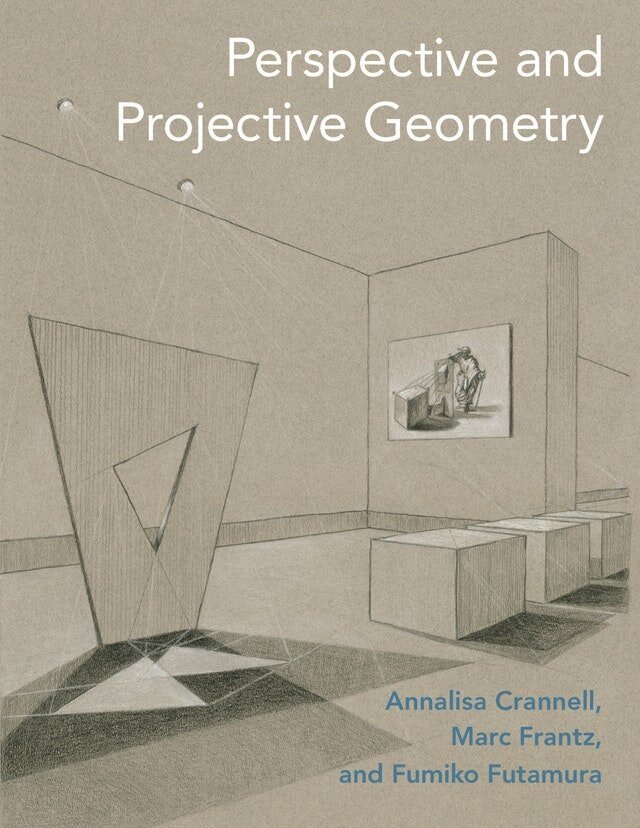
A textbook co-authored with Annalisa Crannell and Marc Frantz combining perspective drawing and projective geometry
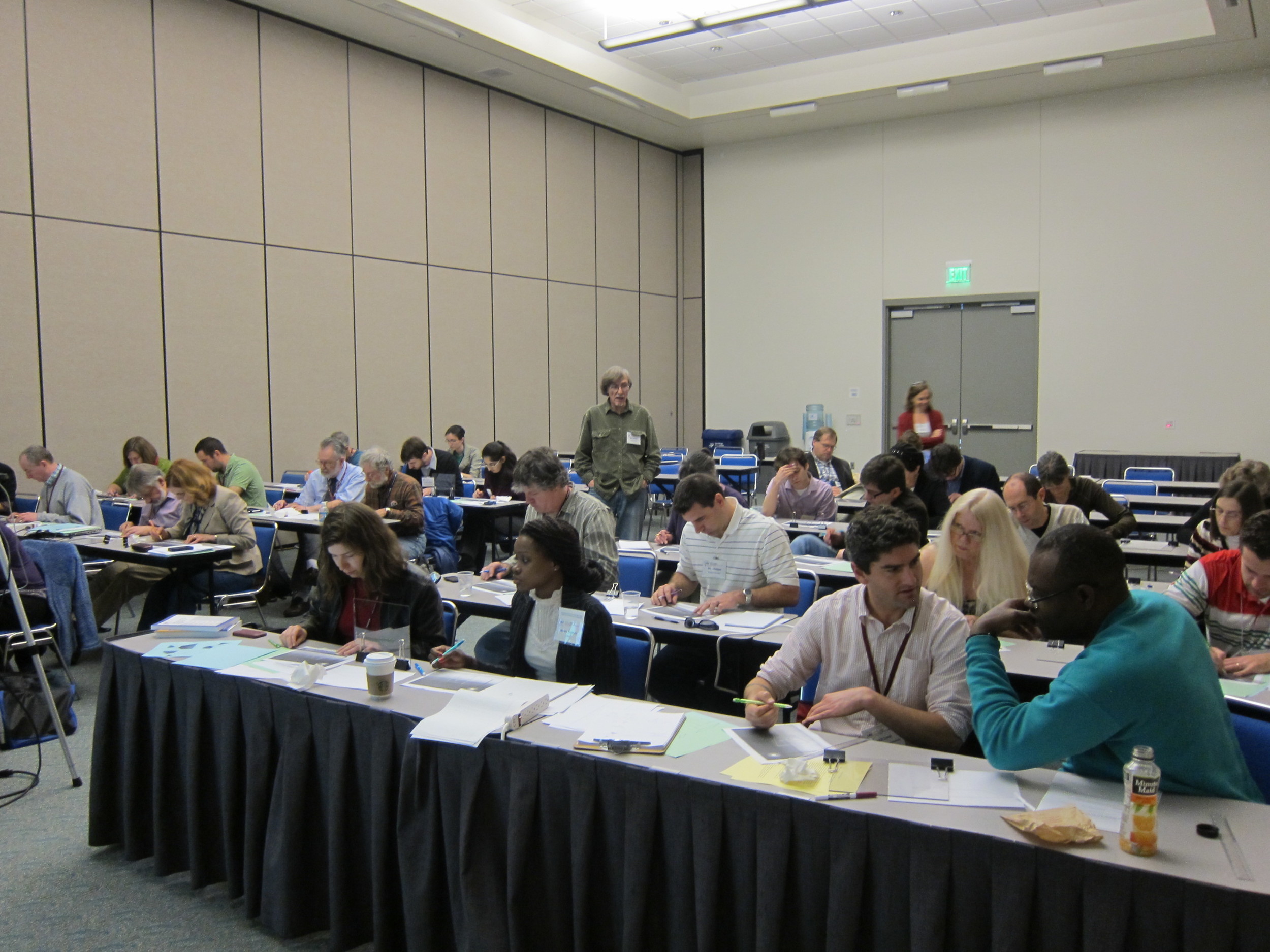
MAA Minicourses co-taught with Annalisa Crannell and Marc Frantz and other math/art workshops for the public.
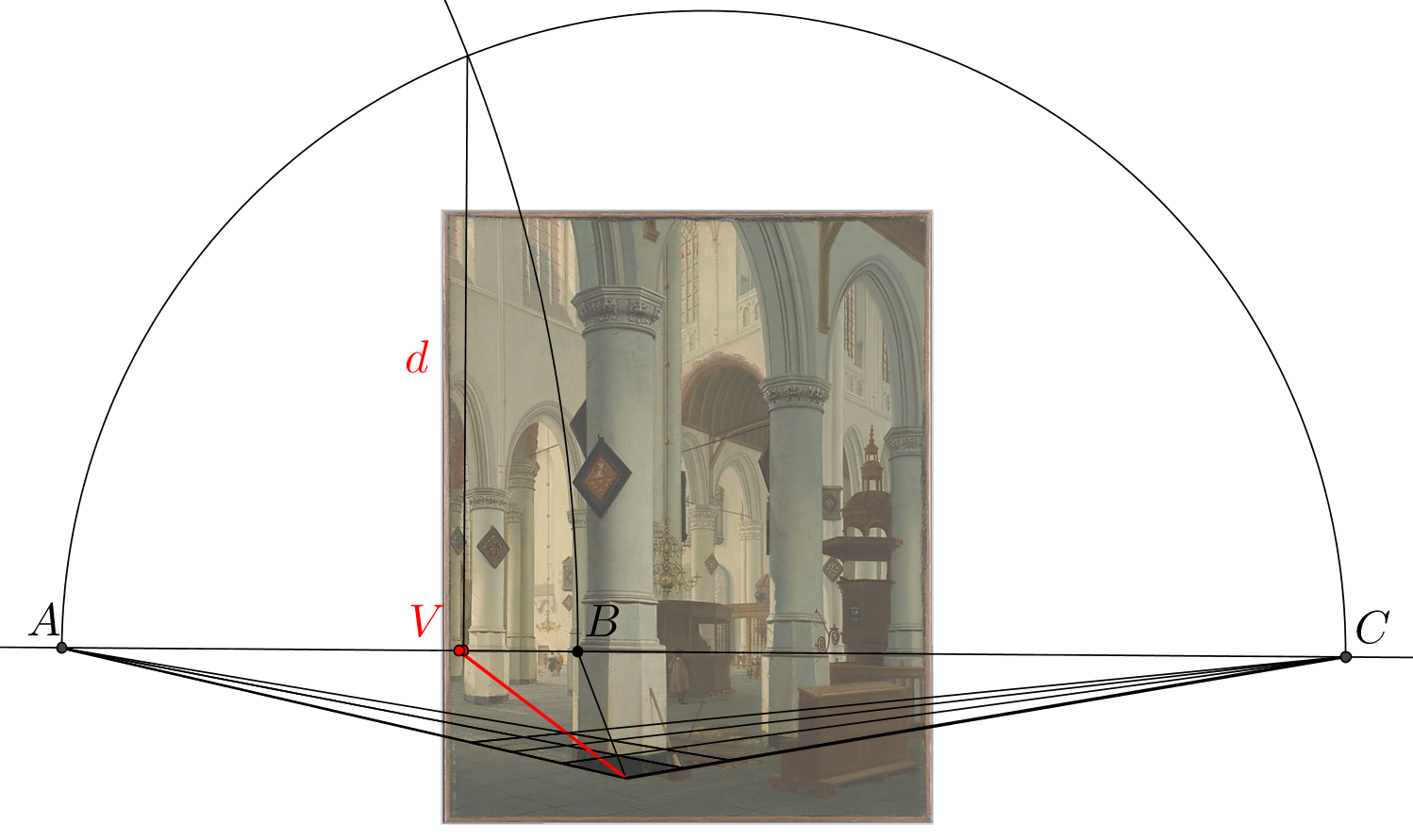
Articles about art and math, and sometimes about matrices and frames.
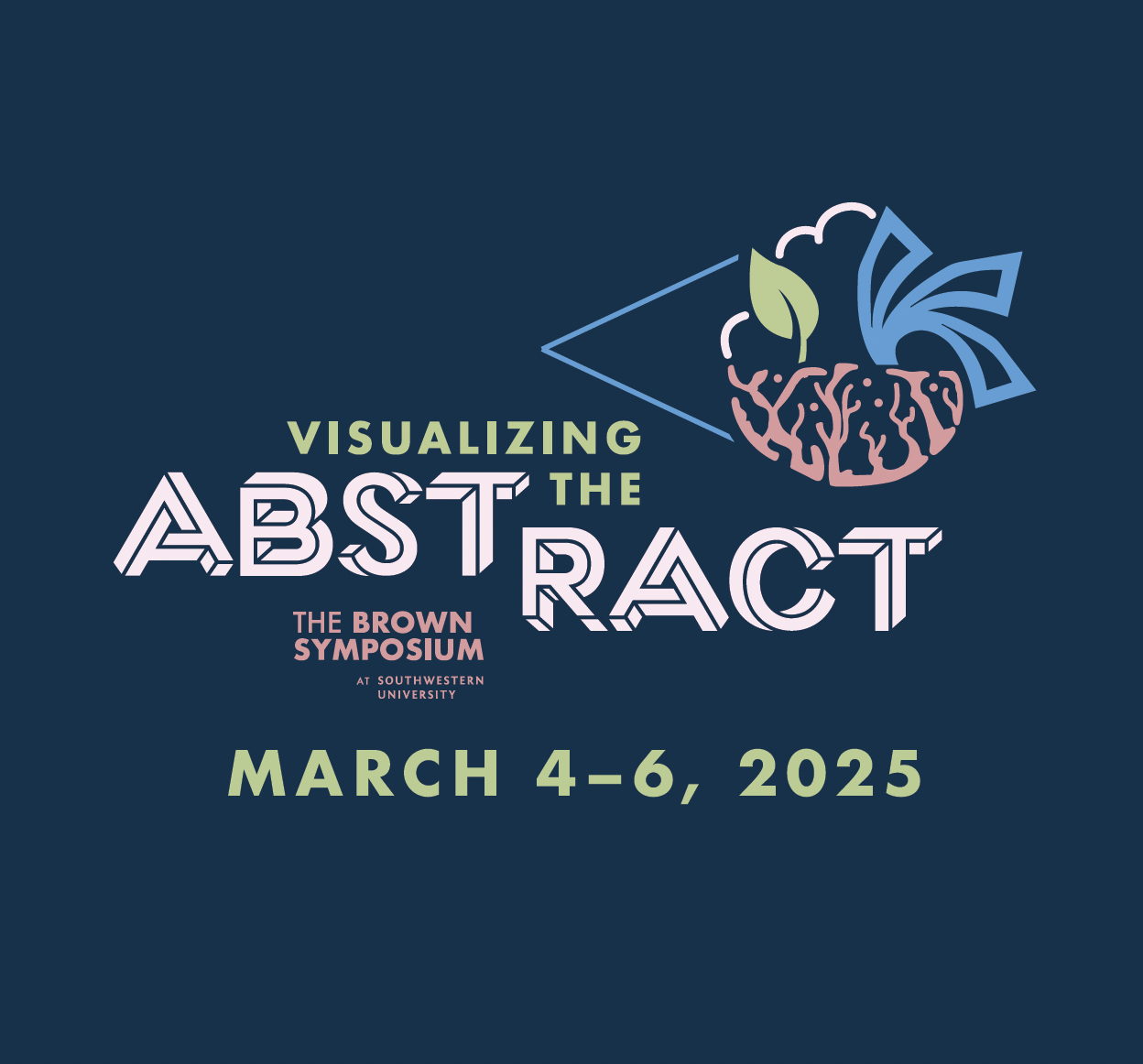
A symposium co-organized with Laura Hobgood with speakers and exhibits on the topic of visualizing abstract concepts from mathematics to climate change
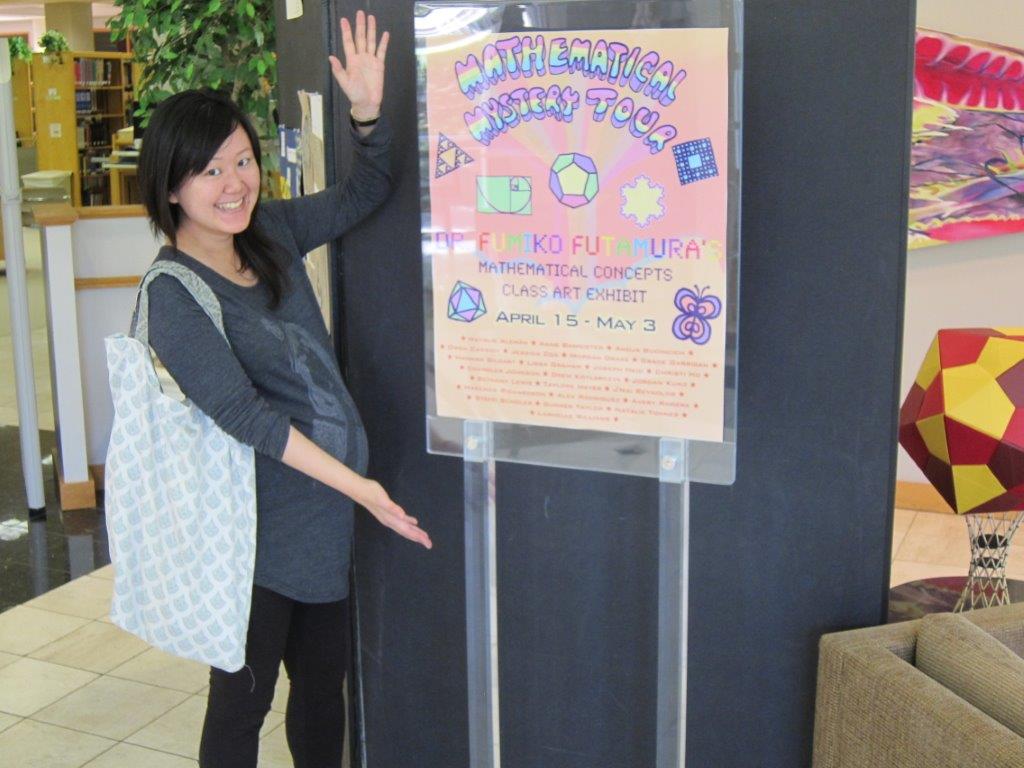
Exhibits of artwork created by my Explorations in Math students and of hyperbolic crochet, graciously hosted by the Smith Library.
A program co-founded with Alison Marr, Emily Niemeyer, and Larkin Tom designed to build a community for underserved first-year students in STEM

My artwork: paintings, charcoal drawings, crochet, sculptures, character bentos, drawings on planes, etc.
TED-Ed animated video 2017
A collaboration with Jeremiah Dickey to create a video exploring anamorphisms, edited by Alex Rosenthal at TED-Ed. View the full lesson here.
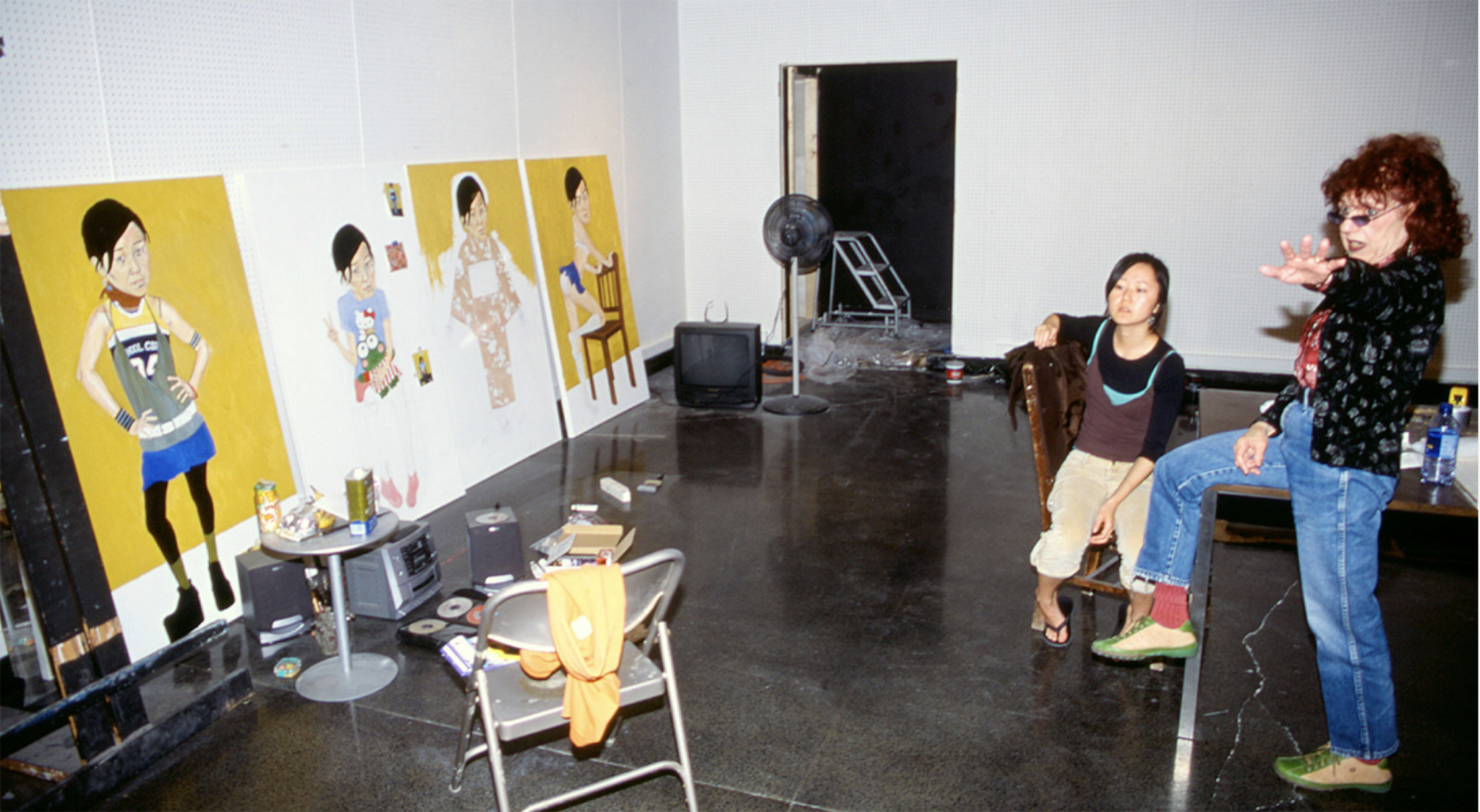
Chicago working with Fumiko Futamura, a participant in Evoke/Invoke/Provoke: A Multimedia Project of Discovery, facilitated by Judy Chicago & Donald Woodman, Vanderbilt University, Nashville, TN, 2006.
Photo © Chicago Woodman LLC, Donald Woodman/Artists Rights Society (ARS), New York
Judy Chicago and Donald Woodman’s A Multimedia Project of Discovery 2006
A semester during math graduate school when I took art classes and created eight 3x6 ft oil paintings of myself as other people’s preconceptions
recent awards and grants
2026 Southwestern University Teaching Award based on nominations by students, in the tenured faculty category.
2026 Daniel Solow Author’s Award for “excellence in undergraduate mathematics education” for the textbook, Perspective and Projective Geometry, co-authored with Annalisa Crannell and Marc Frantz, 2019 published by Princeton University Press.
2026 Simons Foundation Triangle Program grant, $150,000 for Math Playground, with Jiabao Li and Ron Berry
2025 Simons Foundation Open Interval grant, $30,000 to explore math, art and symmetry, $30,000 with Jiabao Li and Ron Berry
2018 Carl B. Allendoerfer Award, annual award for “expository excellence published in Mathematics Magazine”, for “A New Perspective on Finding the Viewpoint” published with SU alum Robert Lehr.
recent and upcoming talks, workshops, exhibits
Apr 2027: Pi Mu Epsilon lecture at University of Nebraska–Lincoln
Mar 2027: Public lecture and seminar talk at Kalamazoo College, Michigan
Jan 2027: The Math Playground artwork at Math as Medium art exhibit at the Grunwald Gallery at Indiana University, Bloomington
Jan 2027: “Updates from the Mathematical Art Manifesto group” talk at the Joint Mathematics Meeting in Chicago, IL
Aug 2026: "Circles and Perspective in Ancient Roman Wall Paintings” talk at Bridges Conference, Galway, Ireland
Aug 2026: "Developing a Mathematical Art Manifesto” workshop co-organized with Adam Rowe at Bridges Conference, Galway, Ireland
Feb 2026: “Math/Art Collaboration Through Play: A Report from the Simons Foundation Triangle Program” talk with Jiabao Li at The Association for the Study of Play 52nd Annual Conference, Southwestern University
Nov 2025: “Encouraging Excitement and Experimentation with End-of-Semester Projects” invited virtual talk at the SIGMAA – Undergraduate Research group webinar
Aug 2025: “Linear Algebra Class Projects to Research Projects” talk at MathFest in Sacramento, CA
Apr 2025: “Video Game Perspectives” invited talk at IU Indianapolis High School Math Contest Award Ceremony
Apr 2025: “Shedding Light on Art Mysteries with Perspective and Projective Geometry” invited public colloquium, Indiana University, Indianapolis, IN
media
Mathematics and Art Collide in Professor Fumiko Futamura’s Upcoming Math Playground Project 2026
New Cohort of Triangle Program Awardees Will Explore Symmetry Through Art, 2026
Recipient of the 2026 Daniel Solow Author’s Award Announced, 2026
New Open Interval Cohort Will Explore Symmetry Through Art and Science, 2025
Brown Symposium Returns with 2025 Theme of “Visualizing the Abstract”, 2025
From Calculation to Expression: A Professor’s Take on Interdisciplinary Study, 2020
What a Mathematician Says About “Lens Compression” in Photography, 2018
Southwestern Alum and Math Faculty Win Prizes for Coauthored Paper, 2018
Judy Chicago, Institutional Time: A Critique of Studio Art Education, Monacelli Press, 2014, p. 206-210.
Math in Wonderland, 2011
Chicago in Nashville: Feminist artist Judy Chicago’s latest collaborative work takes shape at Vanderbilt, 2006
Florida without Borders: Women at the Intersections of the Local and Global, edited by Judy A. Hayden, Sharon Kay Masters, Kim Vaz. Chapter 14: Evoke/Invoke/Provoke A Case Study of Judy Chicago’s Feminist Pedagogy, Vanderbilt University, Spring Semester 2006 by Viki D. Thompson Wylder and Keri Fredericks, p. 149-159.